Casablanca: Beauty in motion, poetry on screen
Directed by Micahel Curtiz
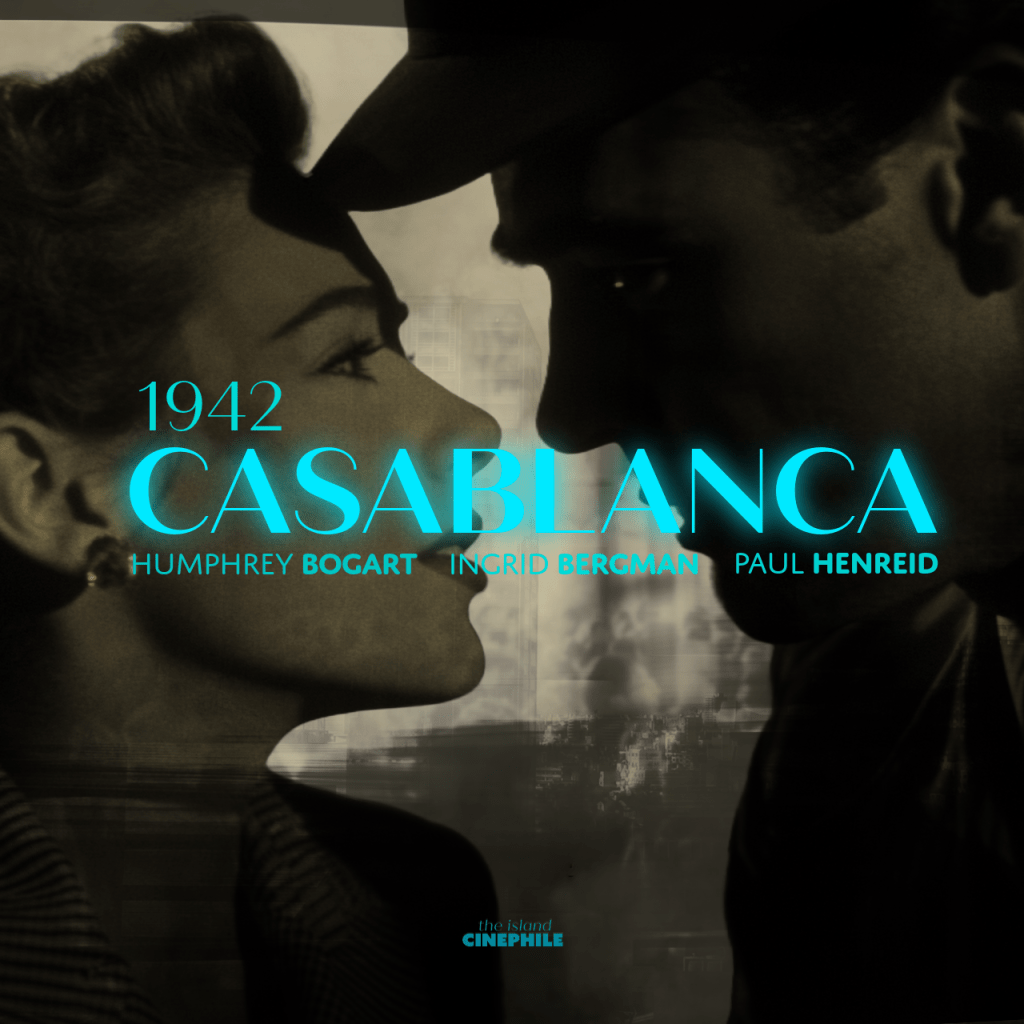
“Here’s looking at you, kid.”
Rick Blaine
Polished in black-and-white, colorful dialogue paints the reels of this Old Hollywood film. While no one expected its success, Casablanca went on to receive much acclamation and is considered one of the greatest and most influential films ever created. Structured around WWII, the stakes are high as Hitler’s advancing regime to exterminate Jews begins to spill over in neighboring countries. Enter our protagonist Rick Blaine, an American, who owns a bar in Casablanca called “Rick’s Café Américain.” Mimicking his home country which remains neutral amidst war, his café operates as a non-partisan safe haven that is frequented by numerous clients. This diverse clientele ranges from German officers, to refugees wishing to flee Casablanca, and those who wish to profit from both sides.
Rick remains neutral regarding the political affairs within Casablanca, and makes it known to all through discouragement. His temperament, which was crafted in the play “Everybody Comes to Rick’s (1940),” is fully realized after Humphrey Bogart’s rendition debuts. Seemingly aloof, selfish yet very trustworthy, his unapproachable nature is attributed to the woman who changed everything in his life. Ilsa Lund, the woman of the hour, is Rick’s former lover. Played by Ingrid Bergman with great conviction, Ilsa is understood as a character that is in a conundrum concerning her feelings for her husband and an ex-lover. After years of separation, Rick meets her again in his café and is surprised to discover that she is married to another man. Victor Laszlo is portrayed by Paul Henreid as a devoted husband but also a fierce advocate for justice. The difference between Victor and Rick is stark regarding social responsibility. Outwardly, Rick prides himself on neutrality and turns a blind eye to illegal activities, unlike Laszlo’s vocal activism which constantly seeks to protest injustices – even if it may mean that he loses his life. His reason for the intensity of his fight when Rick inquires is awe-inspiring. He responds by saying, “You might as well question why we breathe. If we stop breathing, we will die. If we stop fighting our enemies, the world will die.” It was so inspiring that Rick’s rigid belief system is compromised, and we see a drastic change that inspires admiration for his character. The poetic nature of the script, even more so delivered by talented actors, supremely elevates this otherwise average story.
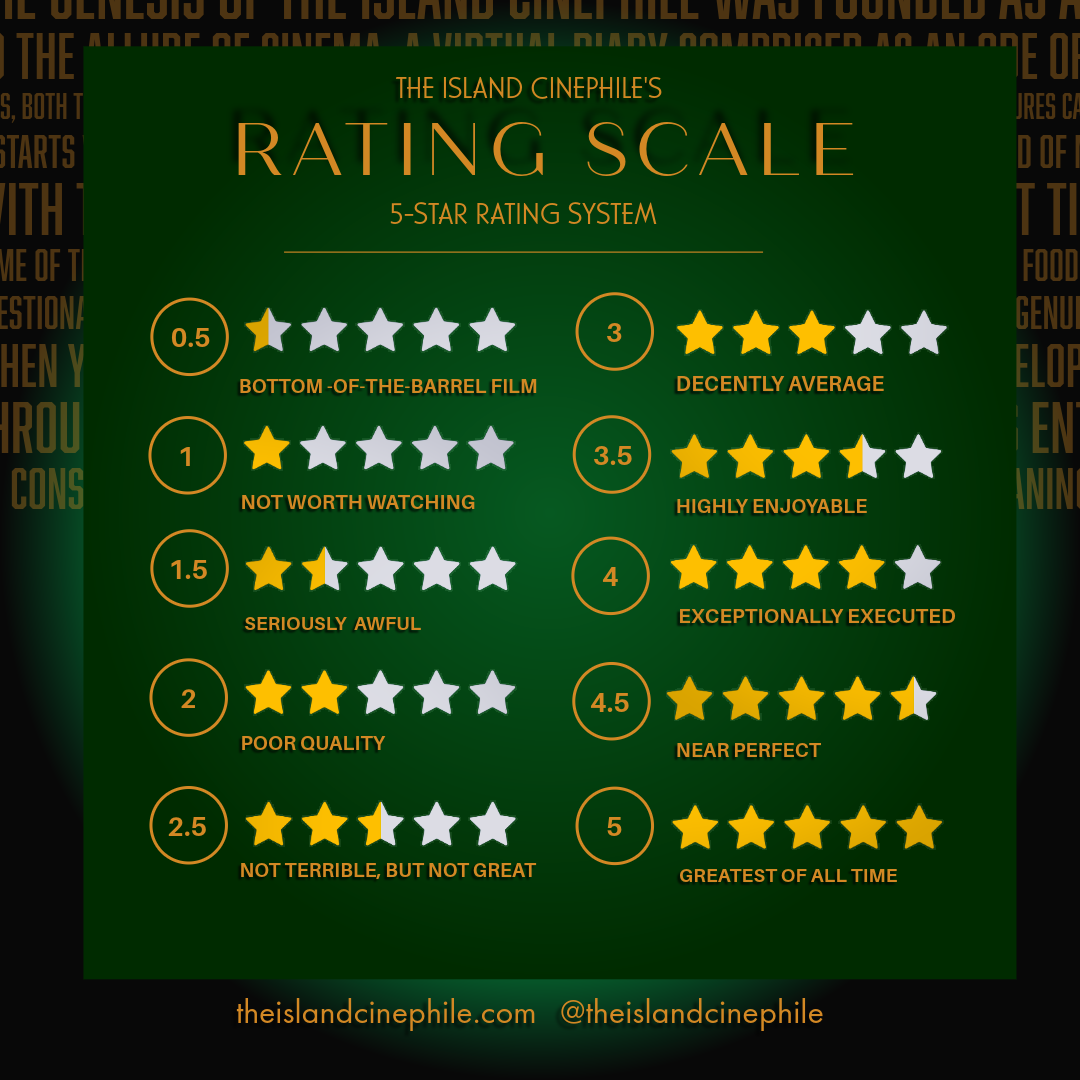
Despite my generous rating of the film, it did start off slowly and struggled to keep my interest throughout. However, there was an unexpected love that developed near the end of the final act; something which prompted deep reflection within. The beautiful story it weaves about love and sacrifice is its claim to fame. True love considers the needs of others above their own even to the point of self-sacrifice. The redemptive nature of the story is beguiling as it unfolds in accompaniment with charming dialogue. Casablanca can only be described as a perfect marriage between film and poetry.

Watch trailer for Casablanca.
Available to Rent/Buy: https://amzn.to/3ZJB1oN
(NB: As an Amazon Associate I earn commission from qualifying purchases.)
 The Island Cinephile
What are your thoughts?